Does VCT Tile Contain Asbestos in Arizona Homes?
If you’re renovating a home built before 1986 in Chandler, AZ, you might be standing on a hidden health risk. Does VCT tile contain asbestos? The short answer is yes, it can. Vinyl composition tile (VCT) installed in Arizona homes and commercial buildings before the mid-1980s often contains asbestos fibers, and disturbing that flooring without proper testing and abatement puts you, your family, and your contractors at serious risk.
Many homeowners across the East Valley discover VCT flooring during kitchen remodels, bathroom upgrades, or basement renovations. That durable, checkered tile found in older homes throughout Mesa, Gilbert, and Scottsdale wasn’t just popular because it was affordable. It was also manufactured with asbestos to increase durability and fire resistance. The problem is that when you cut, sand, scrape, or remove that tile, you release microscopic asbestos fibers into the air.
Understanding whether your VCT flooring contains asbestos, how to identify it, and what Arizona regulations require before removal can protect your health and keep your renovation project compliant with state and federal law.
What Is VCT Tile and Why Was Asbestos Added?
Vinyl composition tile is a resilient flooring material made from a mixture of vinyl resins, plasticizers, fillers, and pigments. It became extremely popular in the 1950s through the 1980s for residential basements, kitchens, commercial spaces, schools, and office buildings across Phoenix and the East Valley.
Manufacturers added asbestos to VCT tile for several practical reasons. Asbestos fibers made the tile more durable, heat resistant, and less prone to cracking under heavy foot traffic. The material also bonded well with the vinyl backing and adhesive used to install the flooring. For decades, asbestos was considered a miracle material, until its serious health risks became undeniable.
If your home in Tempe or Chandler was built or renovated between the 1950s and 1986, there’s a strong chance your VCT flooring contains asbestos. Even if the tile itself doesn’t contain asbestos, the mastic adhesive underneath almost certainly does. That black, tar-like glue used to bond the tile to the subfloor often contained high levels of asbestos, and it becomes just as dangerous when disturbed.
Common VCT Tile Manufacturers That Used Asbestos
Several major flooring manufacturers produced asbestos-containing VCT tile that was widely installed in Arizona homes and buildings. Brands like Armstrong, Congoleum, GAF, Kentile, and Azrock all manufactured VCT products with asbestos content before the mid-1980s. If you find any of these brand names stamped on the back of your tile, professional asbestos testing is essential before you proceed with removal.
How to Tell If Your VCT Flooring Contains Asbestos
You cannot visually confirm whether VCT tile contains asbestos. The fibers are microscopic and fully integrated into the tile material. Age and appearance can offer clues, but the only way to know for certain is through laboratory testing conducted by a certified asbestos inspector.
Here are the warning signs that your flooring may contain asbestos:
- Your home was built or remodeled before 1986
- The tile is 9×9 inches or 12×12 inches in a standard square pattern
- The flooring is located in a basement, kitchen, bathroom, or utility room
- There’s black mastic adhesive visible around the edges or underneath damaged tiles
- The tile has a slightly grainy or speckled appearance
If you’re planning a renovation in Gilbert or Mesa and any of these conditions apply, do not attempt removal on your own. Arizona law and ADEQ regulations require professional VCT tile removal in Mesa and across the Phoenix metro when asbestos is present.
Arizona Asbestos Testing Requirements for VCT Tile Removal
The Arizona Department of Environmental Quality (ADEQ) enforces strict asbestos abatement regulations to protect homeowners, contractors, and the public from exposure. Before you remove VCT flooring in any pre-1986 home, you’re required to have the material tested by a certified asbestos inspector.
Testing involves collecting small samples of the tile and underlying adhesive, which are then analyzed in an accredited laboratory. If asbestos is detected above 1% concentration, the material is classified as asbestos-containing material (ACM), and removal must be handled by a licensed asbestos abatement contractor following ADEQ-compliant abatement procedures.
What Happens If You Disturb Asbestos VCT Tile Without Testing?
Removing or disturbing asbestos-containing VCT tile without proper precautions releases microscopic fibers into your home’s air. Once airborne, these fibers can be inhaled deep into your lungs, where they remain for decades. Asbestos exposure is linked to serious diseases including mesothelioma, lung cancer, and asbestosis. Symptoms often don’t appear until 20 to 40 years after exposure, making it a silent but deadly threat.
Beyond the health risks, improper asbestos removal in Phoenix or the East Valley can result in significant legal and financial consequences. ADEQ can issue fines for non-compliance, and you may be required to hire a licensed abatement contractor to remediate contamination. If you’re selling your home, undisclosed asbestos disturbance can lead to lawsuits and disclosure violations.
Many homeowners assume that leaving the tile intact is safe, and in most cases, it is. Asbestos becomes dangerous only when it’s damaged, cut, sanded, or removed. If your VCT flooring is in good condition and you’re not planning a renovation, you can safely leave it in place and install new flooring over it. However, if you’re remodeling a kitchen in Scottsdale or updating a basement in Chandler, testing and professional removal are non-negotiable.
Professional VCT Tile Testing and Removal in Phoenix and the East Valley
AZ Total Home provides certified asbestos testing and safe VCT tile removal throughout Phoenix, Mesa, Gilbert, Chandler, Scottsdale, and Tempe. Our team follows all ADEQ regulations and EPA guidelines to protect your home and family during the abatement process. We handle everything from initial testing to complete removal, disposal, and clearance testing so you can move forward with your renovation safely and legally.
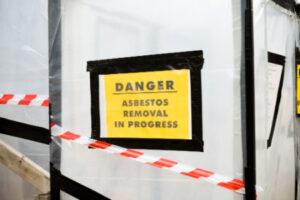
We understand that discovering asbestos in your home can be stressful, especially when you’re ready to start a remodel. That’s why we offer fast, reliable service with clear communication every step of the way. Our licensed professionals use containment barriers, HEPA filtration, and proper disposal methods to ensure no asbestos fibers escape into your living space.
Conclusion
If you’re renovating a pre-1986 home in Phoenix or the East Valley and you’ve discovered VCT tile, don’t take chances with your health or your project timeline. Professional testing and removal protect your family, keep your renovation compliant, and give you peace of mind. Not sure if your VCT contains asbestos? Contact AZ Total Home for certified testing and safe removal at (480) 207-7011.
Frequently Asked Questions
1. Can I remove VCT tile myself if I’m careful?
No, you should never attempt DIY removal of VCT flooring in homes built before 1986. Even careful removal releases asbestos fibers that you cannot see or control without proper containment equipment. Arizona law requires certified professionals to handle asbestos abatement to protect your health and ensure legal compliance.
2. Does VCT tile contain asbestos in newer Phoenix homes?
VCT tile manufactured after 1986 typically does not contain asbestos, as most manufacturers phased it out by the mid-1980s. However, if your Phoenix area home was built or remodeled before that time, testing is still necessary. The black mastic adhesive used even into the 1990s often contained asbestos regardless of the tile composition.
3. How much does asbestos testing cost for VCT flooring near me?
Professional asbestos testing for VCT tile in the East Valley typically ranges from $200 to $500 depending on the number of samples needed. This small investment protects you from serious health risks and potential legal penalties. Testing must be completed before any demolition or removal work begins.
4. Is it safe to install new flooring over old VCT tile in Gilbert?
Yes, installing new flooring over intact VCT tile is often the safest and most cost-effective option if the existing floor is in good condition. Asbestos only becomes dangerous when disturbed, so encapsulation by covering it prevents fiber release. Make sure the new flooring system doesn’t require adhesive removal or surface preparation that could damage the VCT underneath.
5. What should I do if I already started removing VCT tile and think it has asbestos?
Stop work immediately and evacuate the area. Do not use fans or HVAC systems that could spread fibers throughout your home. Contact a certified asbestos abatement contractor right away to assess contamination and perform proper cleanup. You may need air quality testing and professional decontamination before the space is safe to occupy again.
If you’re dealing with VCT flooring in your Mesa, Gilbert, or Chandler home and need professional testing or removal, AZ Total Home provides certified asbestos services that keep your family safe and your project on track. Call us at (480) 207-7011 for a consultation.
About the Author: Nathan Thue is the founder of AZ Total Home and a Certified Restoration Specialist based in Mesa, Arizona. With extensive experience in asbestos abatement and home restoration throughout the East Valley, Nathan helps homeowners navigate complex safety issues during renovations. Learn more about Nathan’s expertise.