Environmental Testing
Asbestos Testing in Arizona
Perform Asbestos Testing Before Remodel, Renovation, or when Building Materials are Damaged
Planning on renovating or repairing a building that’s more than 30 years old? Asbestos testing is necessary before you proceed per EPA’s Asbestos NESHAP Standard on residential properties built pre-1981 and all commercial properties regardless of the year built.
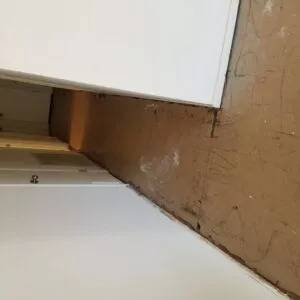
Asbestos, which when sealed away in a home can be harmless, is a serious health hazard when disturbed and released into the air. Asbestos can be found in black mastic adhesive in flooring, VCT tiles, ceilings, insulation, drywall, around ductwork, etc. in older homes.
Asbestos has been used as an insulator and fire retardant in building materials since the 1800s because of its resistance to heat and chemicals, its noise insulating properties, and the fact that it doesn’t conduct electricity.
Arizona Total Home Restoration provides expert asbestos testing services for homes & businesses to Phoenix, Mesa, Tempe, and the surrounding valley. Contact us today for a free quote.
What is Asbestos?
Asbestos has been used as an insulator and fire retardant in building materials since the 1800s because of its resistance to heat and chemicals, its noise insulating properties, and the fact that it doesn’t conduct electricity.
It wasn’t until the early 1970’s that the hazardous qualities of asbestos were discovered and regulations regarding its removal and disposal were put in place.
Where is Asbestos Hiding in my Home?

How Do You Test For Asbestos?
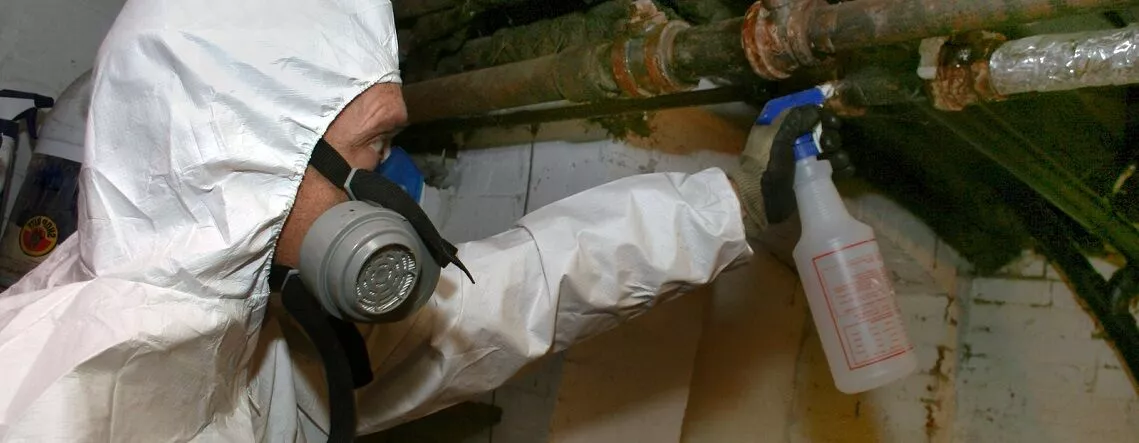
Bulk asbestos samples are cautiously collected and sent to a lab for analysis.
Air samples, samples of potential asbestos-containing materials, and in some situations samples of surface dust are collected. If asbestos is discovered after initial testing, more testing will be done during asbestos abatement and after the cleanup is completed to make sure all traces of asbestos are gone.
Staying Safe Around Asbestos
Do not attempt to handle materials that may contain asbestos. If you find damaged materials that potentially contain asbestos, do not touch them and keep everyone in the house away from the area. Try to prevent the materials from being exposed to drafts that might spread the asbestos fibers into the air.
Asbestos removal is a job for trained professionals. ATH Restoration has the specialized knowledge and equipment necessary. Learn about our Asbestos Abatement process.

Asbestos Health Hazards
Asbestos causes life-threatening health problems including:
- Cancer of the lungs, stomach, and colon Lung Disease
- Lung Disease
- Asbestosis - the inflammation and eventual scarring of the lungs, leading to reduced lung capacity
- Mesothelioma - a cancer of the lungs, chest or abdomen that is always associated with asbestos.
Asbestos only becomes airborne when the materials that contain asbestos are uncovered, disturbed, or improperly handled during removal.
Because the fibers are microscopic, they’re invisible, and there’s no way to know if you’ve been exposed to asbestos.
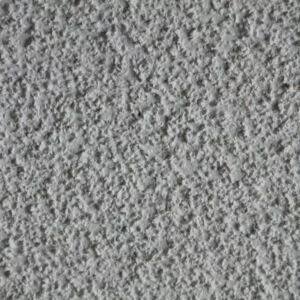
Trust Arizona Total Home Restoration for professional, thorough asbestos testing, consultation, and abatement services. See photos of our work as asbestos contractors and in removing popcorn ceilings.
Lead Paint Testing in Arizona
Until a 1978 CPSC ban on lead-containing paint, lead was an additive in house paint to help it dry faster, resist corrosion, and maintain durability.
Despite the ban over 40 years ago, lead is still present in a shockingly high percentage of Arizona homes that were built prior to 1978.
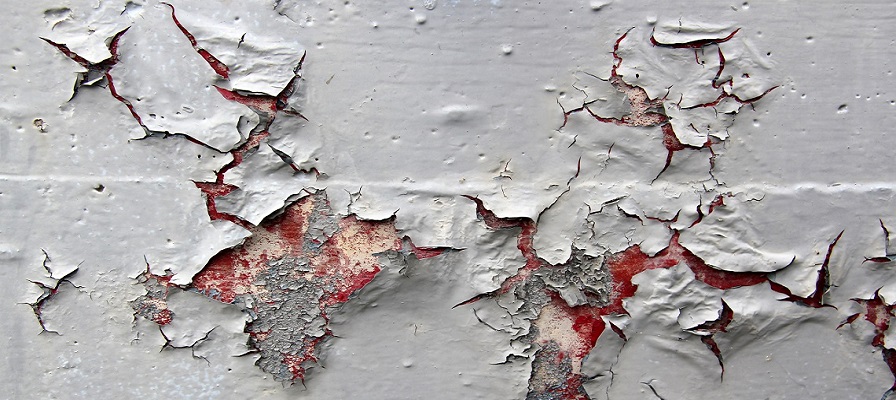
Lead paint in good condition is not dangerous; however, when it begins to degrade into flakes and dust particles it quickly becomes a hazard.
When to Perform Lead Paint Testing
Having your home tested for lead is critical in the following situations:
- 1) Before beginning a remodeling or other renovation for any reason.
- 2) Before demolition due to catastrophes such as water damage, sewage cleanup, storm damage, mold remediation, or fire damage.
- 3) Before disturbing a painted surface as in the case of popcorn ceiling removal or another asbestos abatement.
- 4) If you rent or own a home built before 1978 or are buying or selling a home built before 1978.
- 5) If you suspect you or a family member is experiencing the symptoms of lead poisoning. See a doctor immediately.
Lead paint testing is required by EPA law for homes built in 1978 or older prior to any demo or remodeling project.
Caution: Removing or disturbing lead-painted surfaces improperly can increase the risk to your family because lead dust can be spread around your home.
Our Lead Paint Testing Process
ATH Restoration is an EPA Certified Lead Renovator. We strictly adhere to lead-safe work practices and safety when working with lead.
- Provide lead paint testing analysis and sampling of dust and paint chips.
- Conduct X-ray fluorescence (XRF) lead-paint testing to identify the amount of lead present in painted or sealed surfaces in your home.
- Present a detailed report and discuss your options.
Serious Health Risks
Lead can impact just about every organ in the body. Children younger than six are the most susceptible, but anyone can be affected.
People can be exposed to lead by consuming water or food that contains lead, using dishes that contain lead, and inhaling dust from lead-based paint as it deteriorates or during a renovation.
Lead poisoning is considered the most preventable environmental childhood disease in the United States affecting approximately half a million of our children.
In rare cases, a child who has ingested lead can have seizures or fall into a coma, and the result may be fatal. Children exposed to even small amounts of lead can suffer from:
- Behavior and learning problems
- Lower IQ and Hyperactivity
- Stunted Growth
- Hearing Problems
- Anemia
Preparing for the Nine Months that Last a Lifetime are also serious including miscarriage, low birth weight, premature delivery, and stillbirth. When lead accumulates in the body it is stored in the bones like calcium.
During pregnancy, when calcium in the mother’s bones is supposed to be released to help form the bones of the fetus, lead is released and stored in the developing fetus. Lead can also be transferred to the fetus through the placenta and through breast milk after birth.
Adults exposed to lead can experience reduced kidney function, heart problems, high blood pressure, hypertension, and reproductive problems in both men and women.
Additional Resources:
Agency for Toxic Substances and Disease Registry
Fight Lead Poisoning with a Healthy Diet
Lead Poisoning Home Checklist
Lower Your Exposure to Lead
Simple things like keeping your home well-maintained can do a lot to prevent exposure to lead due to lead paint. Common home maintenance and improvement activities like sanding, cutting, and demolition can create hazardous lead dust and chips by disturbing lead-based paint.
- Keep painted surfaces well maintained to prevent the paint from breaking down.
- Immediately address any water damage.
- Remove visible paint chips and clean frequently around drawers, doors, and windows with a wet mop or cloth where friction can create dust.
- Items that end up in a child’s mouth should be washed often – toys, pacifiers, bottles, dishes, etc.
- Supervise young children closely to prevent them from biting or chewing on painted surfaces.
- Monitor recalls of toys and toy jewelry as reported by the Consumer Product Safety Commission.
Call ATH Restoration at 480-207-7011 to schedule comprehensive lead paint testing.