Lead Paint Removal in Phoenix, AZ: What You Must Do Before Renovating Your Pre-1978 Home
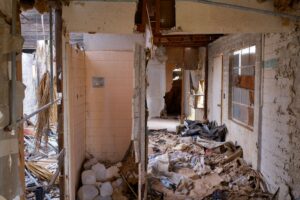
If your Phoenix home was built before 1978, there’s a strong chance it contains lead-based paint. And if you’re planning any renovation, remodel, or repair work that disturbs painted surfaces, you’re legally required to follow strict federal and state regulations. Lead paint removal in Phoenix, AZ isn’t optional when you’re touching walls, trim, windows, or doors in older homes. It’s a health and safety requirement enforced by the EPA and Arizona Department of Environmental Quality (ADEQ). Homeowners in Chandler, Mesa, Gilbert, and across the East Valley need to understand what triggers testing, when abatement is required, and how to stay compliant before the first wall comes down.
Lead exposure is serious. It affects children’s development, causes neurological damage, and creates long-term health risks for anyone living in the home. Phoenix has a significant stock of pre-1978 housing, especially in established neighborhoods throughout the metro area. If you’re renovating a home built during that era, you need to know the rules before you start.
Why Pre-1978 Homes in Phoenix Are High-Risk for Lead Paint
Lead-based paint was banned for residential use in 1978, but that doesn’t mean it disappeared. Thousands of homes across Phoenix, Scottsdale, Tempe, and the East Valley were built before that cutoff, and many still have original paint layers on walls, trim, windows, and doors. Even if the home has been repainted multiple times, lead paint can still exist underneath newer coats.
Arizona’s dry climate helps preserve older paint, which means lead-based coatings can remain intact for decades. But the moment you sand, scrape, demo, or disturb those surfaces during a renovation, you create lead dust. That dust becomes airborne, settles on floors and furniture, and poses a serious contamination risk. Children and pregnant women are especially vulnerable.
The EPA’s Renovation, Repair, and Painting (RRP) Rule requires that any contractor working on pre-1978 homes must be certified in lead-safe work practices. Homeowners doing DIY work aren’t exempt from the health risks, they just aren’t subject to the same certification requirements. But if you hire a contractor and they don’t follow RRP protocols, you could face fines, project delays, and contamination issues that cost far more to fix than doing it right the first time.
What Triggers a Lead Paint Inspection in Phoenix?
Not every project requires formal lead paint testing in Phoenix, AZ, but any work that disturbs more than six square feet of painted surface per room (or more than 20 square feet on exterior surfaces) falls under EPA RRP rules. That includes:
- Removing or replacing windows and doors
- Sanding or scraping walls, trim, or ceilings
- Demolishing walls or removing built-ins
- Repainting after surface prep work
- Remodeling kitchens or bathrooms in older homes
If you’re planning any of these projects in a pre-1978 home, you need to either assume lead paint is present and follow containment protocols, or conduct a lead-based paint inspection to confirm whether it’s there. Many homeowners in Mesa and Gilbert choose to test first, especially if they’re doing extensive remodels, because it provides clarity on what surfaces need special handling. Similar to asbestos testing in Phoenix, lead paint inspections are about knowing what you’re dealing with before you disturb it.
How Lead Paint Testing Works in Phoenix and the East Valley
A certified lead paint inspector uses an X-ray fluorescence (XRF) analyzer to test painted surfaces throughout your home. The device detects lead content without damaging the paint, and results are immediate. The inspector tests multiple areas, including walls, trim, doors, windows, and any surface that might be disturbed during your project.
If lead is detected above the federal threshold (1.0 mg/cm² or 0.5% by weight), those surfaces must be handled according to lead-safe work practices. That means containment, HEPA filtration, proper cleanup, and disposal of lead-contaminated materials. If you’re working with a contractor, they must be EPA-certified and follow RRP protocols. If you’re doing the work yourself, you’re responsible for protecting your family from exposure.
Lead Abatement vs. Lead-Safe Work Practices: What Phoenix Homeowners Need to Know
There’s an important distinction between lead paint abatement and lead-safe work practices. Full abatement means permanently removing or encapsulating all lead paint in the home. This requires a licensed abatement contractor and is typically only necessary in cases of severe contamination or when required by a lender or local authority. Most Phoenix homeowners don’t need full abatement for standard renovation projects.
What you do need is lead-safe work practices during any project that disturbs lead-painted surfaces. This includes setting up plastic sheeting to contain dust, using HEPA vacuums for cleanup, wet-sanding or wet-scraping to minimize airborne particles, and properly disposing of contaminated materials. If you’re hiring a contractor in Scottsdale or Chandler, verify their EPA RRP certification before they start work. If they can’t provide proof, walk away. The risk isn’t worth it.
Common Renovation Scenarios That Require Lead-Safe Protocols
Phoenix homeowners often underestimate how many common projects trigger lead-safe requirements. Replacing old windows in a 1960s ranch home, remodeling a kitchen in a historic Tempe bungalow, or even repainting a bedroom in a pre-1978 Gilbert property can all require containment and proper handling. If you’re scraping, sanding, or cutting into painted surfaces, you’re creating dust. And if that paint contains lead, you’re putting your family at risk.
Even small projects add up. Removing baseboards, pulling up old carpet tack strips attached to painted wood, or demo work on built-in cabinets all disturb paint. The EPA’s six-square-foot threshold per room is easy to exceed during typical remodeling work. That’s why testing upfront gives you a clear plan and prevents costly surprises mid-project.
Trusted Lead Paint Testing and Safe Renovation Support in Phoenix
If you’re planning a renovation in a pre-1978 Phoenix or East Valley home, don’t guess about lead paint. AZ Total Home connects homeowners with certified inspectors and lead-safe contractors who follow EPA and ADEQ regulations. You’ll get clear answers about what’s in your home and a plan that keeps your family safe while your project moves forward. From testing to containment to final cleanup, you need a team that understands Arizona’s housing stock and takes compliance seriously.
Phoenix homeowners renovating older properties face enough challenges without adding lead contamination to the list. Whether you’re updating a mid-century home in Mesa or remodeling a historic property in central Phoenix, knowing what you’re working with protects your investment and your health. Get your home tested before you start, work with certified professionals, and follow the rules that keep your family safe.
Planning a renovation in a pre-1978 Phoenix home? Contact AZ Total Home to connect with certified lead paint inspectors and contractors who follow EPA lead-safe work practices. Protect your family and stay compliant — call (480) 207-7011 today.
Frequently Asked Questions
1. How much does lead paint testing cost in Phoenix, AZ?
Most certified inspectors in Phoenix charge between $300 and $500 for a standard residential lead paint inspection using XRF technology. The cost depends on your home’s size and how many surfaces need testing. Testing before you renovate saves money compared to treating every surface as contaminated.
2. Can I remove lead paint myself in Arizona, or do I need a licensed contractor?
You can do the work yourself in your own home, but you’re still responsible for protecting your family from lead dust exposure. If you hire a contractor for any project disturbing painted surfaces in a pre-1978 home, they must be EPA RRP certified. DIY work still requires containment, HEPA cleanup, and proper disposal.
3. What are the penalties for not following lead paint rules during a Phoenix renovation?
The EPA can fine homeowners up to $37,500 per day for RRP violations if you hire an uncertified contractor. You also risk contaminating your home with lead dust, which creates serious health hazards and expensive cleanup requirements. Arizona takes lead safety seriously, especially in older neighborhoods.
4. Do I need lead paint removal near me if I’m just repainting my Phoenix home?
If your home was built before 1978 and you’re sanding or scraping painted surfaces before repainting, you need to follow lead-safe work practices. Simple repainting over intact paint without surface prep doesn’t trigger RRP requirements, but any sanding or scraping does. Test first or assume lead is present and contain the work area.
5. How do I find a certified lead paint contractor in Mesa or Gilbert?
Check the EPA’s online database of certified RRP contractors, or ask your contractor to provide their EPA certification number before starting work. AZ Total Home works with certified professionals throughout the East Valley who understand Arizona’s lead paint regulations and follow proper containment and cleanup protocols.
Written by Nathan Thue, Founder of AZ Total Home and Certified Restoration Specialist based in Mesa. Nathan helps East Valley homeowners navigate complex renovation and safety requirements in older homes. Learn more about Nathan’s expertise.